
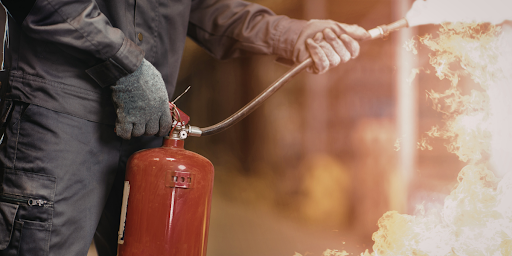
Fire safety matters in buildings because it helps save lives, prevent major property damage, and reduce the risk of serious disruption. In a fire emergency, the right safety measures can slow the spread of flames, protect occupants from injury, and support a safer evacuation process.
It also plays an important role in legal compliance and day-to-day risk management. Fire-resistant materials, detection systems, and clear emergency plans help reduce the dangers linked to common causes such as faulty wiring or cooking accidents.
When buildings take a proactive approach to fire safety, they are better prepared to protect people, property, and business operations.
Protects Lives and Reduces Injury Risk
The biggest reason fire safety matters in buildings is simple. It saves lives.
When a fire starts, people may have only a few minutes to react. Smoke can spread quickly. Visibility can drop fast.
Panic can make even familiar spaces feel confusing. Fire safety systems such as smoke detectors, fire alarms, emergency lighting, sprinkler systems, and marked exits help people respond faster and move toward safety.
Fire safety also lowers the risk of serious injuries. Burns, smoke inhalation, and falls during evacuation are common dangers during fire emergencies.
A building with clear evacuation routes, working fire alarms, and trained staff gives people a better chance of getting out before conditions worsen. This matters even more in buildings with children, older adults, patients, or people with limited mobility.
In these settings, fire safety planning must go beyond basic compliance. It should focus on fast alerts, safe evacuation support, and clear emergency procedures.
Helps Prevent Major Property Damage
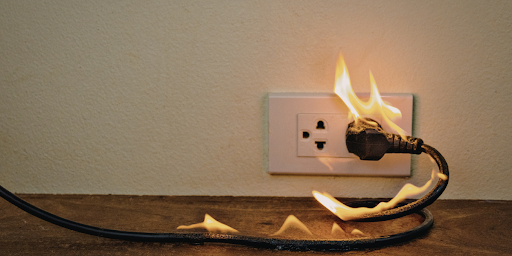
Fire can destroy a building in a matter of minutes. Even a small fire can damage walls, floors, wiring, equipment, furniture, stock, and important records.
What starts in one room can quickly spread through ceilings, vents, hallways, and shared spaces. Good fire safety measures help contain damage before it grows.
Fire-resistant materials, fire doors, sprinklers, extinguishers, and proper compartmentalization all play a role. These features can slow the spread of flames and smoke, giving emergency crews more time to respond and reduce the overall impact.
Preventive steps matter too. Routine inspections, electrical maintenance, safe storage of flammable materials, and regular equipment checks can help prevent common fire hazards before they become serious problems.
Protecting property is not just about saving the building itself. It is also about preserving the systems, tools, and materials inside it. In many cases, that can make the difference between a manageable incident and a complete loss.
Supports Faster Emergency Response
A fast response can change the outcome of a fire emergency. The sooner a fire is detected and reported, the better the chances of containing it and protecting the people inside.
Fire safety systems support faster emergency response in several ways. Smoke detectors and fire alarm system alert occupants immediately.
Monitoring systems can notify emergency services sooner. Clear signage, unobstructed exits, and accessible fire control panels help firefighters and responders move through the building more efficiently.
Building design also affects response time. When stairwells, exit points, hydrants, and alarm systems are easy to find and properly maintained, emergency teams can act faster and with less confusion.
This can reduce injuries, limit fire spread, and improve evacuation outcomes. Preparedness also matters.
Staff should know what to do when an alarm sounds. Building managers should understand emergency procedures.
Regular fire drills help occupants react more calmly and confidently when every second counts.
Keeps Buildings Compliant With Safety Regulations
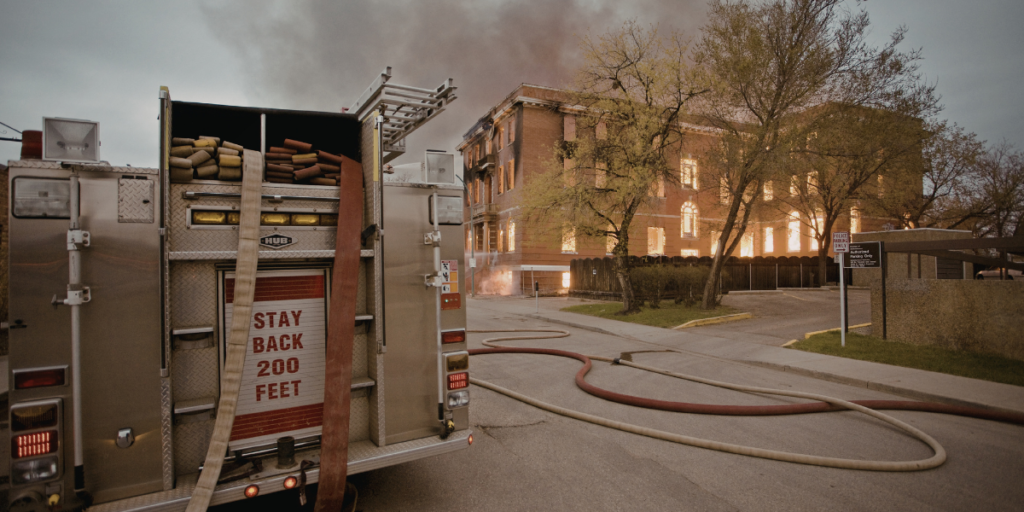
Fire safety is also a legal responsibility. Most buildings must follow local fire codes, safety regulations, and inspection requirements.
These rules exist for a reason. They help set minimum safety standards that protect both people and property.
Compliance often includes items such as working alarm systems, fire extinguisher inspection, emergency exits, sprinkler systems, signage, occupancy limits, and regular inspections. In some buildings, it may also involve fire risk assessments, evacuation plans, and staff training.
Disregard these requirements, and it can lead to fines, failed inspections, insurance issues, or even forced closure. In more serious cases, non-compliance can increase liability if a fire causes harm or loss.
Staying compliant demonstrates that a building owner or manager takes fire safety seriously. It also helps build trust with tenants, employees, customers, and inspectors.
A compliant building is not only safer. It is also better prepared for audits, emergencies, and day-to-day operations.
Reduces Business Disruption and Financial Loss
A fire can interrupt business for days, weeks, or even longer. Operations may stop without warning.
Employees may not be able to work. Customers may go elsewhere. Equipment, stock, and records may be damaged or lost.
Even after the fire is out, cleanup and recovery can take a long time. Strong fire safety planning helps reduce this disruption.
Early detection systems, suppression equipment, and emergency procedures can limit the size of the incident and shorten downtime. The less damage a fire causes, the faster a business can recover.
The financial side is just as serious. Fire-related losses can include repair costs, equipment replacement, legal claims, lost revenue, higher insurance costs, and damage to brand reputation.
For some businesses, a single major fire can cause long-term financial strain. That is why fire safety should be seen as an investment, not just a requirement.
Protecting the building helps protect the people, the operation, and the business’s future.
Final Thoughts
Fire safety matters in buildings because it protects lives, reduces injury risk, limits property damage, supports faster emergency response, keeps buildings compliant, and helps avoid costly disruption. These are not small benefits.
They affect daily safety, long-term operations, and peace of mind. Every building should have reliable fire safety systems, clear procedures, and regular maintenance.
When fire safety is treated as a priority, buildings become safer, stronger, and better prepared for the unexpected.
Make fire safety a priority with LHR Fire Protection. Contact our team today for dependable fire protection solutions that help keep your building safe, compliant, and prepared.
Frequently Asked Questions
Why is fire safety important in buildings?
Fire safety is important because it helps protect lives, reduce injury risk, limit property damage, and support a safer evacuation during emergencies. It also helps building owners and managers stay compliant with fire safety regulations.
What are the most important fire safety systems in a building?
Important fire safety systems may include fire alarms, smoke detectors, sprinkler systems, fire extinguishers, emergency lighting, marked exits, fire doors, and fire suppression systems. The right setup depends on the building type, use, and local requirements.
How does fire safety help protect people during an emergency?
Fire safety systems help alert occupants quickly, guide them toward exits, and slow the spread of fire or smoke. Clear evacuation routes, working alarms, and emergency lighting can give people more time to leave safely.
How can fire safety reduce property damage?
Fire safety measures such as sprinklers, fire doors, extinguishers, and fire-resistant materials can help contain a fire before it spreads. Regular inspections and maintenance can also catch hazards before they become serious problems.
Why is fire safety compliance important?
Fire safety compliance helps buildings meet local codes, inspection requirements, and safety standards. It can also reduce the risk of fines, failed inspections, insurance issues, liability concerns, and business interruptions.
How often should building fire safety systems be inspected?
Inspection frequency depends on the type of system, building use, and local fire code requirements. Fire alarms, extinguishers, sprinklers, emergency lighting, and kitchen hood systems may all have different inspection schedules, so it is best to work with a qualified fire protection provider.
What are common fire hazards in buildings?
Common fire hazards include faulty wiring, overloaded outlets, cooking equipment, blocked exits, improperly stored flammable materials, damaged fire equipment, poor housekeeping, and missed safety inspections.
How can a business improve fire safety?
A business can improve fire safety by keeping exits clear, maintaining fire alarms and extinguishers, scheduling regular inspections, training staff, creating an evacuation plan, running fire drills, and addressing fire hazards as soon as they appear.